
資訊內(nèi)容
用什么代替“對(duì)不起” What to Say to Little Kids Instead of "Say Sorry"
用什么代替“對(duì)不起”
What to Say to Little Kids
Instead of "Say Sorry"
作者/Author - Michelle Woo
為了給女兒挑選一個(gè)好的學(xué)校,我參觀了許多幼兒園。在其中一個(gè)幼兒園的操場(chǎng)上,我看到孩子們?cè)诨輹r(shí),一個(gè)小男孩不小心踩到了一個(gè)小女孩的手指,小女孩疼的放聲大哭。但是,接下來發(fā)生的事讓我震驚。
When touring different preschools for my daughter, I visited one where I got to observe the kids playing on the playground. While climbing the ladder on the slide, a little boy accidentally stepped on a little girl’s finger, and she started crying. What happened next left me astounded.
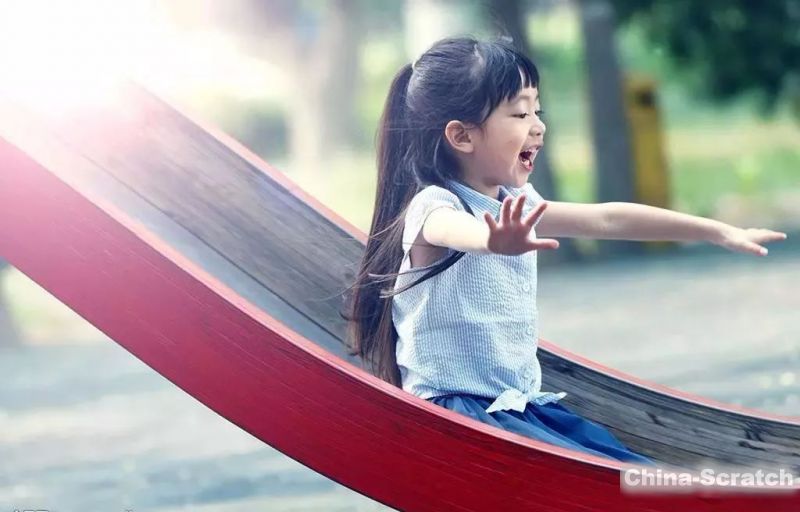
3歲的小男孩走到小女孩身邊,看著她的眼睛問道:“你還好嗎? 需要我給你拿一條濕毛巾嗎?“
她擦了擦眼淚,搖了搖頭,然后他們倆便繼續(xù)去玩滑滑梯了。
The boy, who was 3, went up to the girl, looked her in the eye and asked, “Are you okay? Can I get you a wet towel?”
She wiped her tears, shook her head no, and they both went back to playing.
我問站在我旁邊的老師:“他為什么不說‘對(duì)不起’呢?”
“我們不會(huì)讓孩子說'對(duì)不起'。”她解釋道。 “如果沒有采取行動(dòng)幫助改善事情的狀況,那么‘對(duì)不起’這個(gè)詞并不具備任何意義。”
I looked at the preschool director, like, uh, what was that?
“We don’t make kids say ‘sorry,’” she explained. “The word doesn’t mean much without an action to help make things better.”
這次交流顛覆了我以往的認(rèn)知,在每次發(fā)生一些小摩擦、或只是不小心碰倒了別人的樂高作品時(shí),許多父母更傾向于強(qiáng)迫孩子們道歉。通常情況下,父母?jìng)兿葧?huì)表現(xiàn)出一個(gè)嚴(yán)厲的表情,質(zhì)問孩子,“你說什么?!”然后,當(dāng)孩子終于不情不愿嘀咕出一句“對(duì)不起”時(shí),父母?jìng)兙蜁?huì)感覺自我良好,覺得自己很好的教育了孩子什么叫做禮儀。
The exchange was such a departure from what I was used to seeing among parents, who tend to force apologies from their children for every accidental bump, whack, and knock-down of a just-built Lego masterpiece. Usually, they’ll give the kid a stern look, and ask, “Hey, what do you say?” Then, when the child mutters a robotic “sorry,” all is good! Manners! We’re teaching them!

但實(shí)際上這種方法可能毫無意義,Heather Shumaker曾在她的書中寫道:對(duì)于培養(yǎng)有能力和有同情心的孩子來說,可以允許ta不進(jìn)行分享或違反規(guī)則。Shumaker解釋說,孩子們喜歡“對(duì)不起”這個(gè)詞,因?yàn)檫@個(gè)詞能讓他們擺脫困境。“這有點(diǎn)像教育孩子成為肇事逃逸的司機(jī),”她寫道。 說“對(duì)不起”的問題在于,許多年幼的孩子 - 比如學(xué)齡前的孩子 - 尚未達(dá)到道德發(fā)展的階段,所以一昧強(qiáng)調(diào)“對(duì)不起”只會(huì)讓父母錯(cuò)過了教導(dǎo)孩子學(xué)會(huì)同情的關(guān)鍵機(jī)會(huì)。
But this approach might be mostly meaningless, writes Heather Shumaker in her bookIt’s OK Not to Share and Other Renegade Rules for Raising Competent and Compassionate Kids. Children love?the word “sorry,” Shumaker explains, as it magically lets them off the hook. “It’s a little like teaching kids to be hit-and-run drivers,” she writes. The problem with the “sorry” solution is that many young children—say, preschool age—haven’t reached a stage of moral development to actually feel sorry, so parents are missing a key opportunity to teach real empathy.
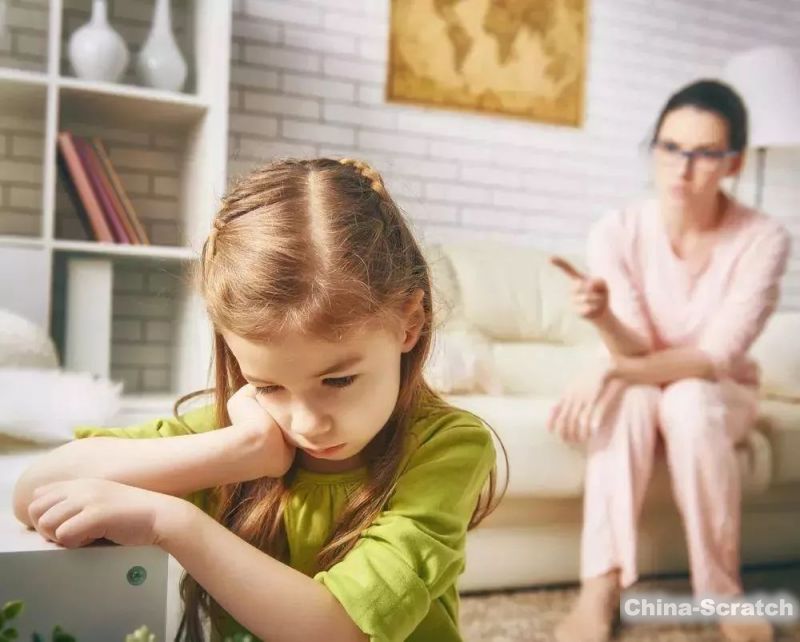
Shumaker寫道:
年幼的孩子有時(shí)會(huì)欺騙我們。他們可以模仿“對(duì)不起”,甚至在另一個(gè)孩子哭泣時(shí)哭泣,但實(shí)際上大多數(shù)的孩子無法產(chǎn)生“抱歉”的情緒。孩子跟成人不同,大多數(shù)孩子可能從小就具備各方面的才能,但卻缺乏對(duì)懊悔的情緒和認(rèn)知發(fā)展。悔恨需要從他人的角度出發(fā),要有充分理解因果關(guān)系的能力,而孩子缺乏這種能力。讓年幼的孩子說“對(duì)不起”是一個(gè)錯(cuò)誤的課程,就像在教他們:踢,說“對(duì)不起”,然后繼續(xù)踢。
Shumaker writes:
Young kids sometimes fool us. They can mimic “Sorry” and even cry when another child cries, but most children are not capable of being sorry yet. Children differ—you may have an early bloomer—but most children simply lack the emotional and cognitive development to feel remorse. Remorse requires the ability to take another person’s perspective and fully understand cause and effect. These skills are still emerging in young children. Expecting young kids to say “Sorry” teaches them nothing more than a misguided lesson in sequence: kick, say “Sorry,” move on.
﹏﹏﹏﹏
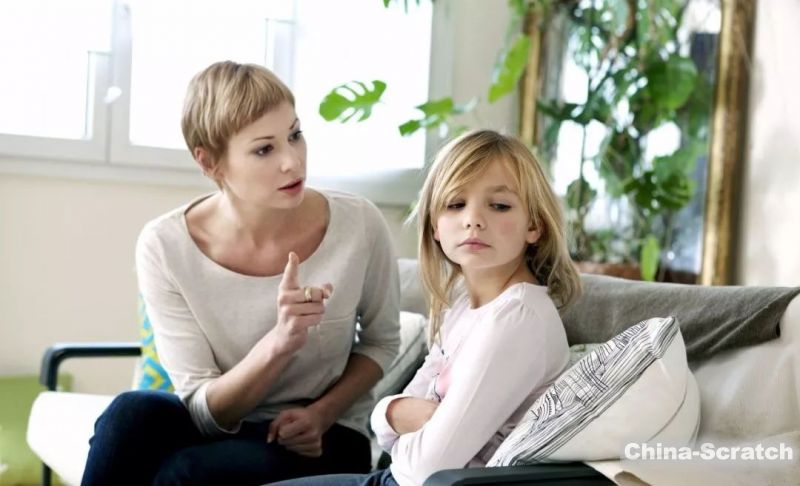
相反,父母可以通過解釋不好的行為會(huì)產(chǎn)生后果,來幫助孩子發(fā)展道德同情,明白自己可以做些什么來改善事情的狀況,并以身作則說“對(duì)不起”。
對(duì)于日常會(huì)發(fā)生的小事故,Shumaker提供以下步驟:
Instead, parents can help kids develop moral compassion by explaining that their actions have consequences, showing that they can do something to make things better and modeling ways to use the word “sorry” meaningfully.
For everyday accidents, Shumaker offers these steps:
1?
和孩子們?cè)谝黄?/strong>
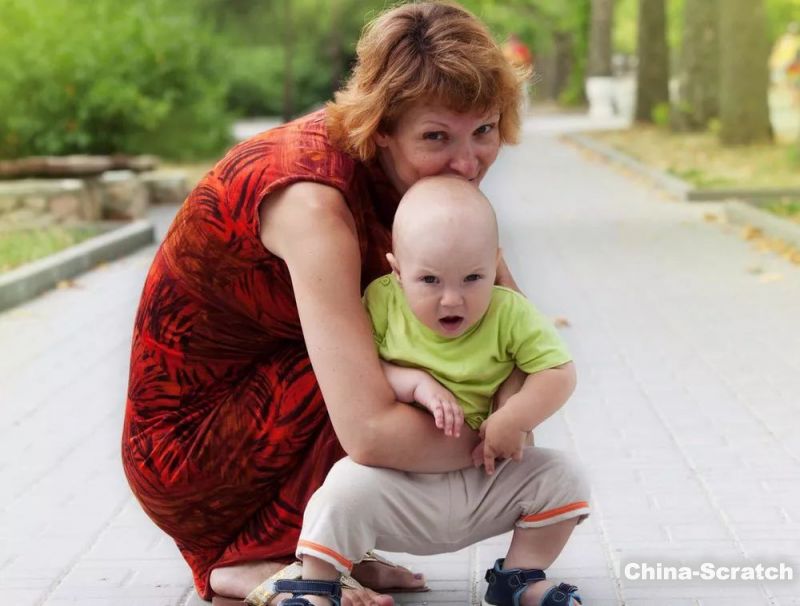
Shumaker解釋說,有時(shí)候,當(dāng)孩子們認(rèn)為他們即將遇到麻煩時(shí),他們會(huì)跑開。當(dāng)發(fā)生這種情況時(shí),你可以摟著孩子,告訴ta,“你不能離開,凱莉受了傷。就算你不是故意這樣做,但她也受傷了,你得回來。“
Bring the Kids Together?
Sometimes, when children believe they’re about to be in trouble, they run, Shumaker explains. If this happens, you can put an arm around the child, and say something like, “You need to come back here. Callie got hurt. Even if you didn’t mean to do it, she got hurt, and you need to come back.”
2
告訴孩子事件的詳情
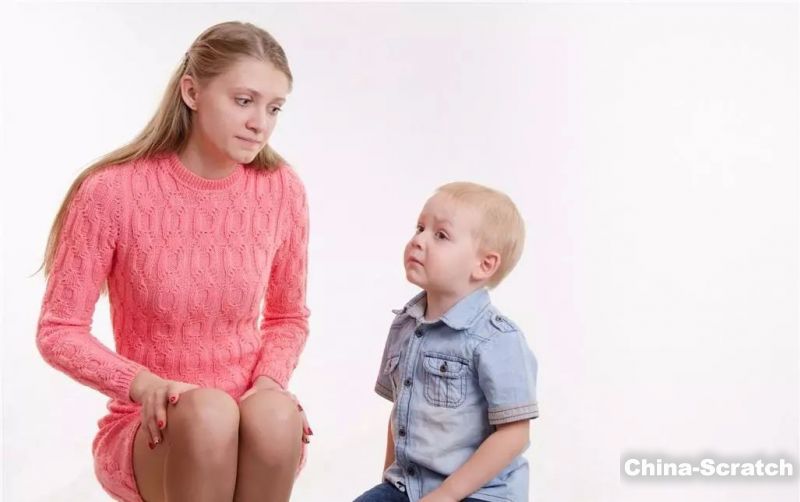
即使發(fā)生的事件一目了然,也需要仔細(xì)告訴孩子到底發(fā)生了什么事。比如“你的購(gòu)物車從她的腳趾上壓過去了。”“你碰倒了水,弄臟了她的畫。”“你跳舞的時(shí)候甩到她的臉了。”
Tell the Child Who Caused the Accident
What Happened,?And Be Specific?
Even when what happened seems obvious,it needs to be pointed out to a young child. State the facts. “Your shopping cart ran over her toe.” “Your hand knocked the cup of water onto her painting.” “You were dancing and your arm whacked her face.”
3
描述你看到的現(xiàn)象
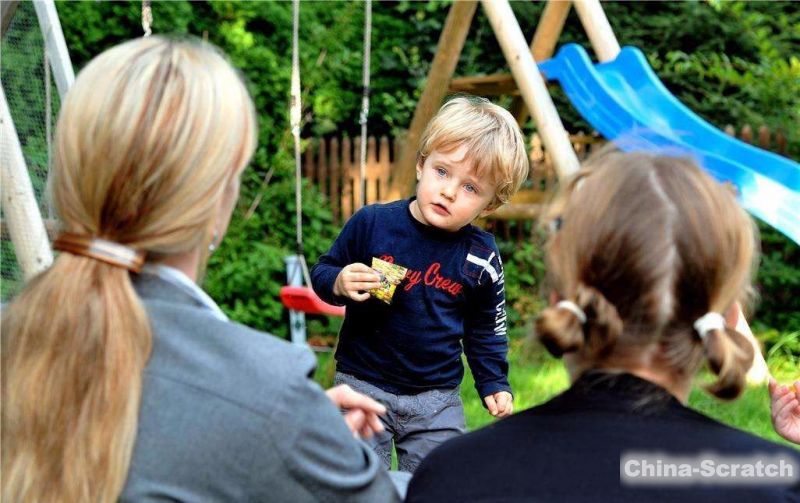
檢查事件的狀況可以幫助孩子們發(fā)展同理心。強(qiáng)調(diào)他們的行為對(duì)另一個(gè)孩子(或成年人)產(chǎn)生的影響,并具體描述:“看,他在哭。他的胳膊上有一個(gè)劃痕,他受傷了。“
Describe What You See
Examining the facts of the scene helps kids develop empathy. Emphasize the consequences of their actions for the other child?(or adult), and be specific: “Look, he’s crying. There’s a scratch on his arm. It must hurt.”
4
對(duì)傷害兒童的模仿移情
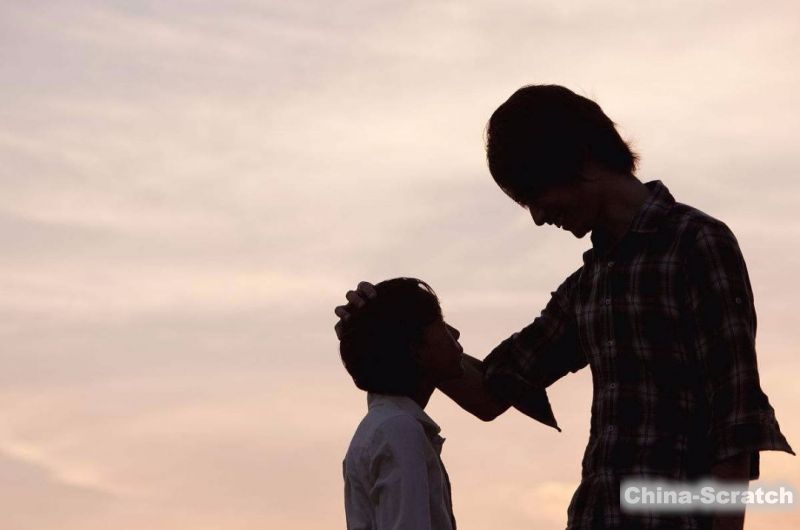
問那個(gè)孩子:“你還好嗎?”
Model Empathy for the Hurt Child
Ask the child: “Are you okay?”
5
采取行動(dòng)
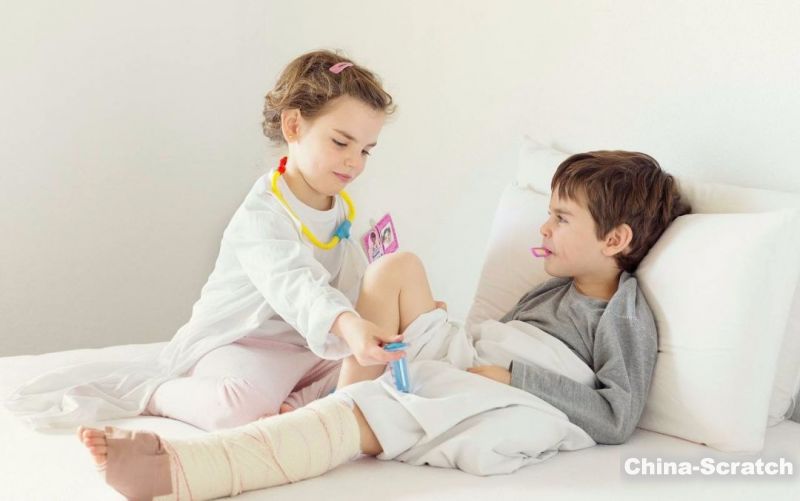
書本上解釋說,孩子可能無法完全理解悔恨,但他們擅長(zhǎng)采取行動(dòng)。他們可以跑去尋找創(chuàng)可貼或冰袋,或幫助清理自己制造的混亂。這有助于讓孩子學(xué)會(huì)承擔(dān)責(zé)任。
Take Action
While little kids may not fully understand remorse, the book explains, they are?good at taking action. They can run to grab a Band-Aid or an ice pack, or help clean up the mess they made. Help them take responsibility.
6
作出保證
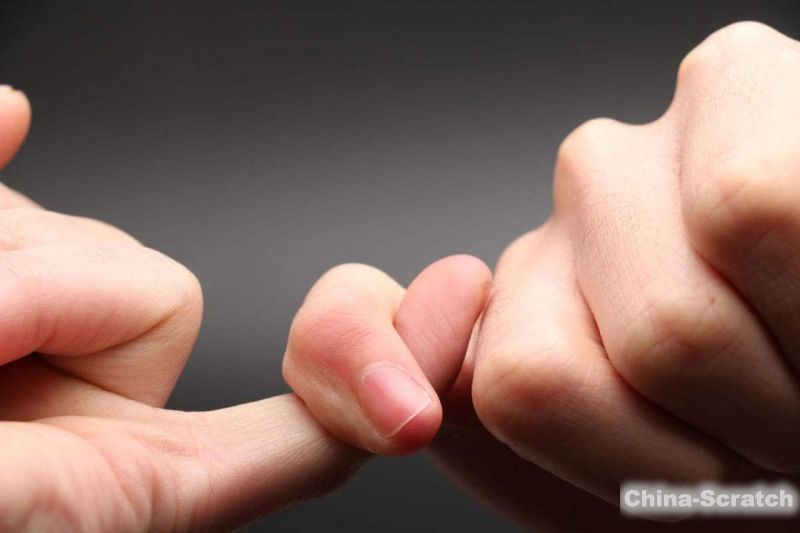
Shumaker寫道,“保證不會(huì)再有下一次比說‘對(duì)不起’來的有用多了。”她寫道“為了重新建立孩子之間的信任,讓造成事故的孩子向另一個(gè)孩子保證她不會(huì)再這樣做了。你可以問‘你打算再打他嗎?’,或讓她說出‘我再也不會(huì)打你了’。”
Make a Guarantee
Shumaker writes, “Reassurance that it won’t happen again means something. ‘Sorry’ does not.” To reestablish trust among the kids, she writes, have the child who caused the accident make a guarantee to the other child that she won’t do it again. You can ask, “Are you going to hit him again?” or have her say the words, “I won’t hit you again.”
7
做好說“對(duì)不起”的榜樣
我們確實(shí)希望孩子們能說“對(duì)不起”,Shumaker建議,當(dāng)父母惹出一些意外時(shí)說聲“對(duì)不起”,對(duì)孩子而言更具教導(dǎo)效果。讓自己的道歉變得有意義,承認(rèn)自己的行為的確實(shí)產(chǎn)生了不太好的后果,并采取措施進(jìn)行改善。例如:“對(duì)不起,我忘了帶你的泰迪熊,會(huì)讓你午睡的時(shí)候有點(diǎn)難過。我會(huì)把這件事寫下來,下次我就會(huì)記得了。“
Model Saying “Sorry” in Your Own Life
Eventually, we do want kids to say “sorry.” But instead of making them say “sorry,” Shumaker writes thatit’s more effective to model saying sorry when you as a parent screw up. Just make sure your own apologies are meaningful. That means acknowledging the consequences of your actions and taking steps to make things better. For example: “I’m sorry I forgot to bring your teddy bear to school day. You missed him during nap time. I’m writing it down on my list so I will remember next time.”?
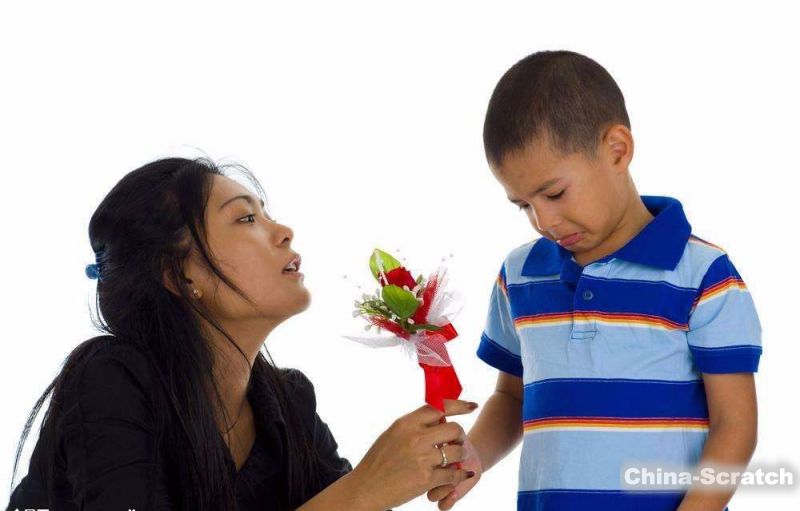
很快,孩子們就會(huì)自然而然的說出“對(duì)不起”。
Soon, kids say “sorry” without prompting, and they’ll really mean it.
聲明:本文章由網(wǎng)友投稿作為教育分享用途,如有侵權(quán)原作者可通過郵件及時(shí)和我們聯(lián)系刪除


相關(guān)資訊
